The Sacred Relics of Topkapi Palace: The Hırka-i Saadet Chamber
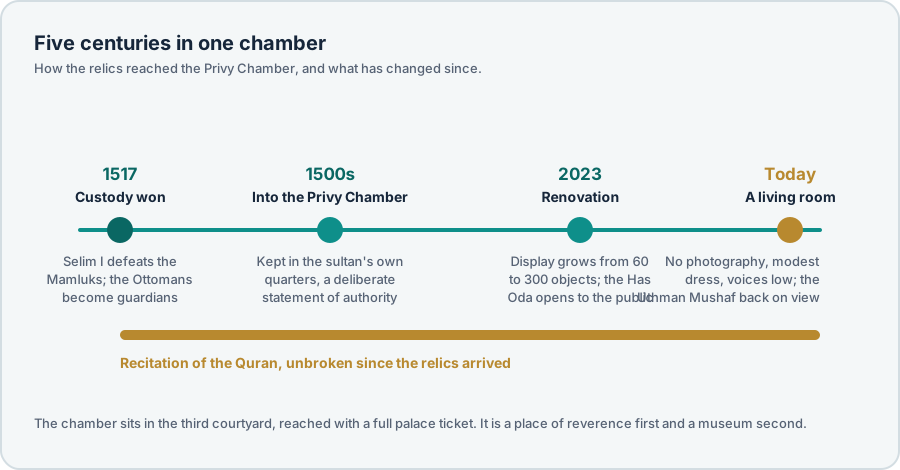
The Chamber of the Sacred Relics holds some of the most revered objects in the Islamic world, brought to Topkapi after 1517. Here is the established history of the Hırka-i Saadet, and what to know before you step inside.
 By Mehmet Demir, Istanbul Topkapi Palace ticket specialist
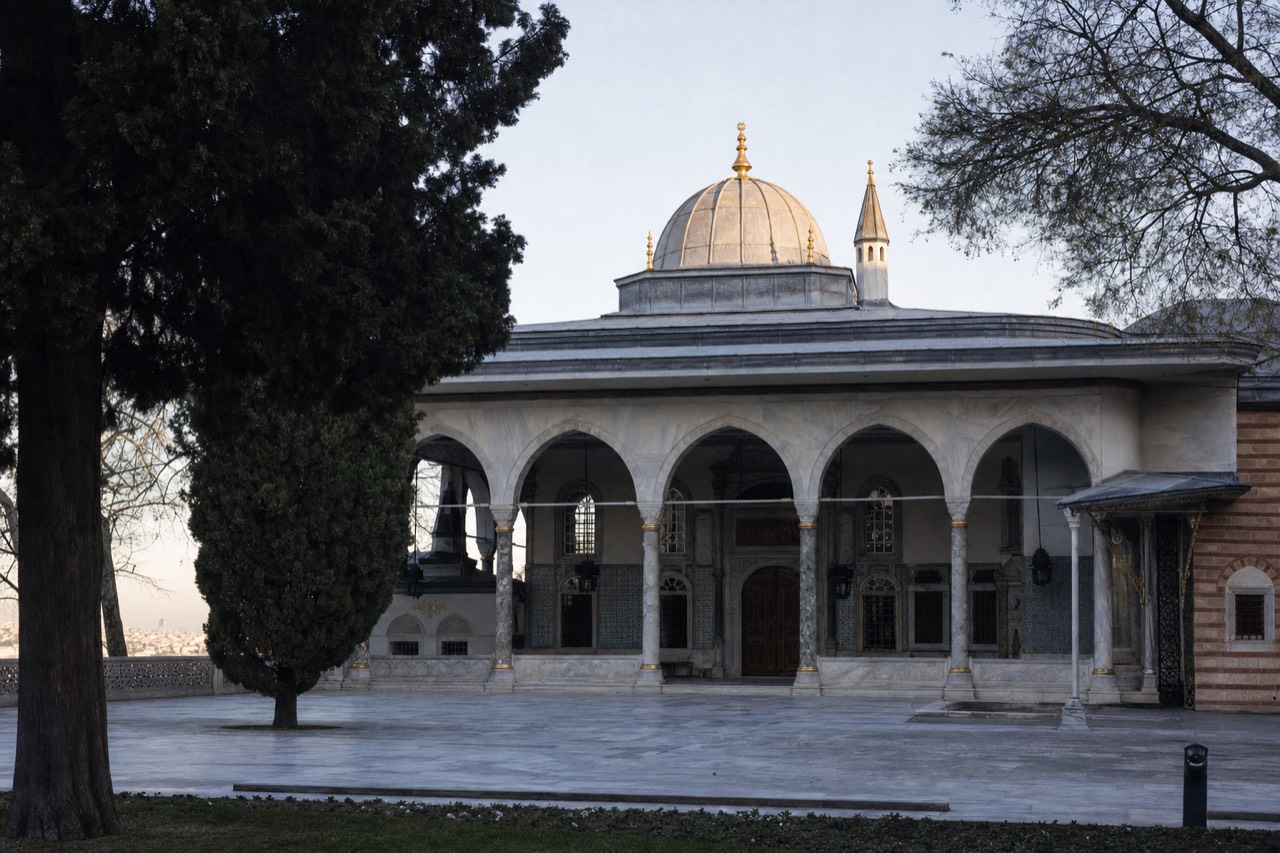
Most rooms at Topkapi make noise in their own way, with tilework or gold or a view over the Bosphorus. The Chamber of the Sacred Relics is the quietest, and it is the one visitors most often tell me stayed with them. For many Muslims it is not a museum room at all. It is one of the holiest places they will ever stand in.
The single most venerated of them has its own story in the Holy Mantle of the Prophet.
What the chamber holds
The Sacred Relics, the Kutsal Emanetler, are a collection of objects revered in the Islamic tradition, kept in the Privy Chamber of the palace's inner court, and the heart of the collection is the Hırka-i Saadet, the Holy Mantle, a cloak associated with the Prophet Muhammad.
The whole suite of rooms takes its name from that cloak. Alongside the mantle the chamber holds the Holy Banner, swords, and a range of objects tied by tradition to the Prophet and to earlier prophets recognized in Islam. Some pieces carry attributions that reach back to figures like Moses, David, and Abraham. I describe these as traditionally attributed, because that is the honest framing: they are venerated objects with long histories of belief attached, displayed as such. The display itself grew sharply after a renovation completed in 2023 expanded what visitors can actually see.
| Object | What tradition holds |
|---|---|
| The Holy Mantle (Hırka-i Saadet) | A cloak associated with the Prophet Muhammad, the heart of the collection |
| The Holy Banner | A standard tied by tradition to the Prophet |
| Swords of the Prophet and early caliphs | Blades preserved and venerated for centuries |
| The Mushaf attributed to Caliph Uthman | An early manuscript of the Quran |
| Objects linked to earlier prophets | Pieces traditionally attributed to figures such as Moses, David, and Abraham |
How they came to Istanbul
The relics arrived largely as a result of Ottoman expansion: when Sultan Selim I defeated the Mamluk Sultanate and took control of Egypt and the holy cities in 1517, the Ottomans assumed guardianship of Islam's most sacred sites, and with it the custody of these objects.

They were brought to the capital and kept in the sultan's own private quarters, a placement that said something deliberate about the dynasty's role. Selim was one of the sultans who shaped what Topkapi became, and this is his most lasting mark on the palace.
That is why the relics sit where they do, in the innermost part of the palace rather than in a public hall. Keeping them close to the sultan was a statement of religious authority as much as an act of safekeeping. Standing in these rooms with someone who can connect the 1517 campaign to the objects in front of you changes the visit, which is the case for the Topkapi Palace & Harem Guided Tour; check live availability & prices on GetYourGuide.
The recitation that never stops
For centuries there has been continuous recitation of the Quran in the chamber, a practice that began when the relics were first installed here and has been maintained ever since.
One detail catches nearly everyone off guard. A reciter is present, reading aloud, and when you enter you hear it before you have taken in a single object.
It changes the room completely. This is not a space arranged for looking so much as a space arranged for reverence, and the recitation is the reason it still feels active rather than archival. Whatever your own beliefs, pause to register that you have walked into a living practice, not a frozen display.
Photography is not allowed here
Photography is banned inside the Sacred Relics chamber. There is no flash, no phones raised, no exceptions.
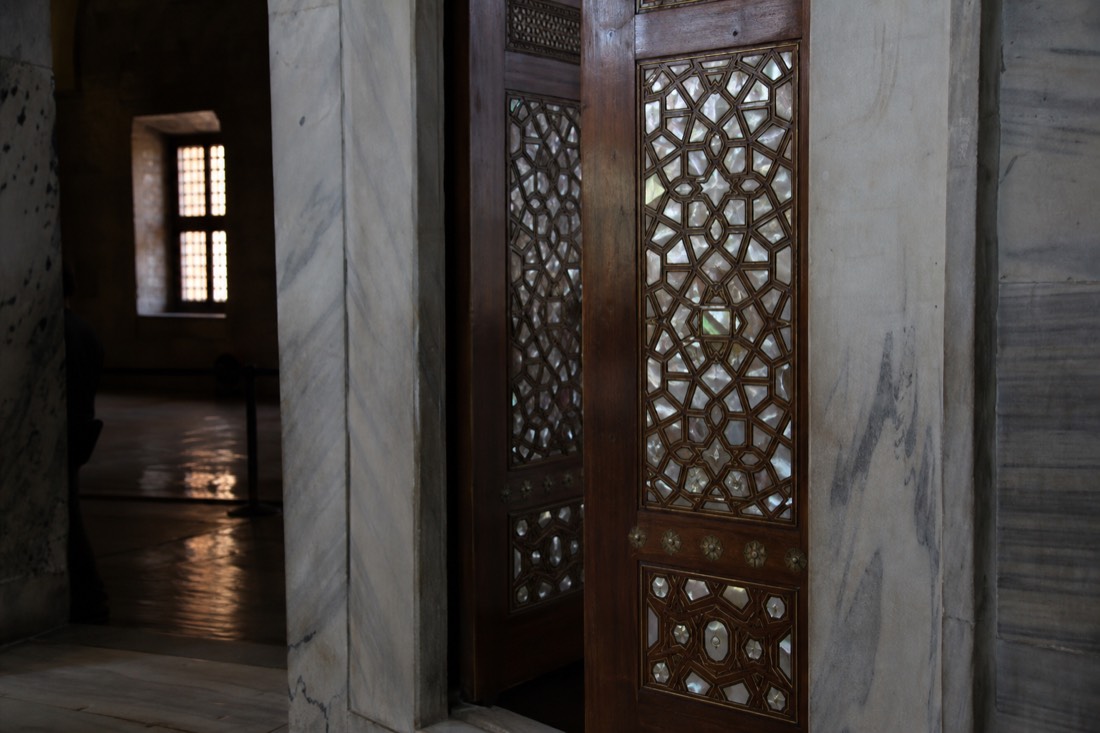
The rule reflects the sacred status of the space and the objects, and it is firmly enforced by the attendants who staff the room. Modest dress is expected here too, shoulders and knees covered, and if you are wondering what else gets through the palace gate, our dress code and bag rules guide covers it.
| Rule in the chamber | What it means in practice |
|---|---|
| Photography | Banned outright, no flash, no raised phones |
| Dress | Modest, shoulders and knees covered |
| Sound | Keep your voice low, the recitation is ongoing |
| Pace | Move slowly, attendants staff the room |
Treat all of that as an invitation rather than a restriction. Put the camera away, keep your voice down, move slowly, and give the chamber the attention it asks for. It is a short part of the visit that most people are glad they slowed down for.
Visiting the chamber
The Sacred Relics are part of the main palace complex, reached through the inner courts, so a full palace ticket brings you to them.
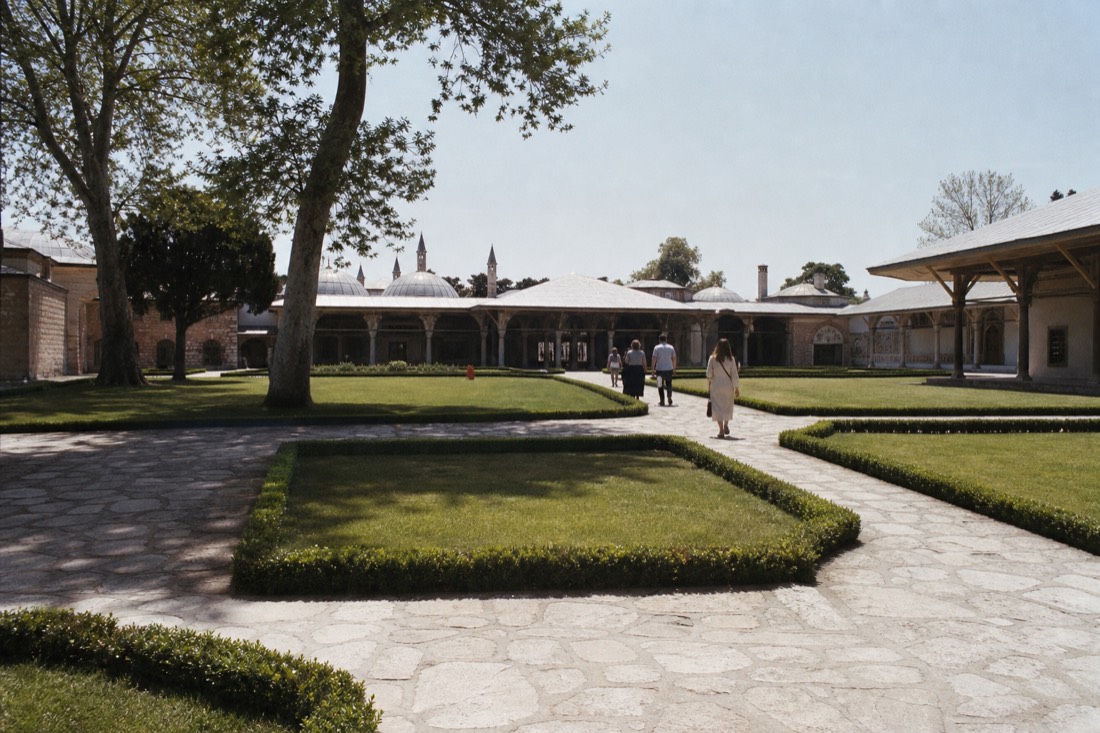
A few planning points help. Topkapi is closed on Tuesdays, so avoid that day entirely. The palace deserves two to three hours, and the relics chamber sits deep inside, so do not rush the earlier courtyards and run out of time. The treasury shares the same court, and the story of the Spoonmaker's Diamond is worth reading before you stand in front of it; our treasury highlights guide picks out the rest. If you would rather have the whole imperial quarter joined up for you, from these courtyards to the great mosques and monuments nearby, a guided Old City tour handles that as a separate booking from your palace ticket; you can check current dates here.
| Stop | Courtyard | Why stop |
|---|---|---|
| Audience Chamber | Third | Where the sultan received viziers and foreign envoys |
| Imperial Treasury | Third | Home of the Spoonmaker's Diamond |
| Privy Chamber, Sacred Relics | Third | The Holy Mantle and the continuous recitation |
| Baghdad Kiosk | Fourth | Terrace views over the water |
Booking ahead lets you skip the long ticket queue at the gate, though the security screening at the Imperial Gate is separate and cannot be skipped by anyone. Hours move with the season, and the current schedule sits on the official National Palaces page. If you also want the Harem, remember it is a separate ticketed section that the guided option includes, and our guided versus audio ticket comparison shows exactly what each one covers. Check the live price and open dates on the official listing, then come and stand for a few minutes in the quietest room in the palace.