The Ottoman Sultans of Topkapi Palace: Who They Were and What to Look For
The Ottoman sultans ruled from Topkapi Palace for nearly four centuries. A grounded guide to who the Ottoman sultans were, from Mehmed the Conqueror onward, and what to look for on a visit.
 By Mehmet Demir, Istanbul Topkapi Palace ticket specialist
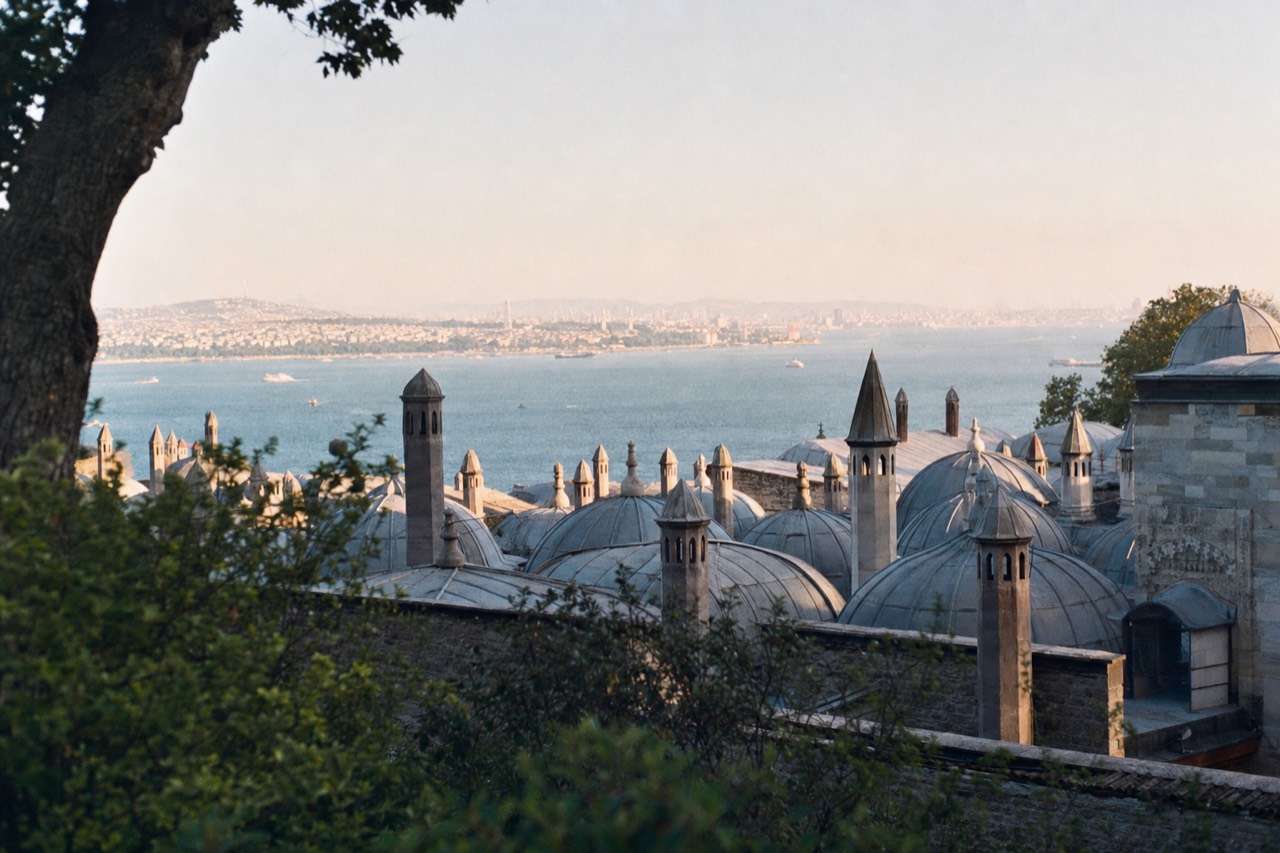
People come to Topkapi for the treasury or the view, and then they realize halfway through that they are walking through someone's house. For nearly four centuries this was the home and the seat of government of the Ottoman sultans, and once you start reading the palace that way, every gate and courtyard makes more sense. It was built to run an empire and to shelter a family, both at once.
The palace the Conqueror built
Topkapi begins with Mehmed II, the sultan who took Constantinople in 1453 and reshaped it as his capital.
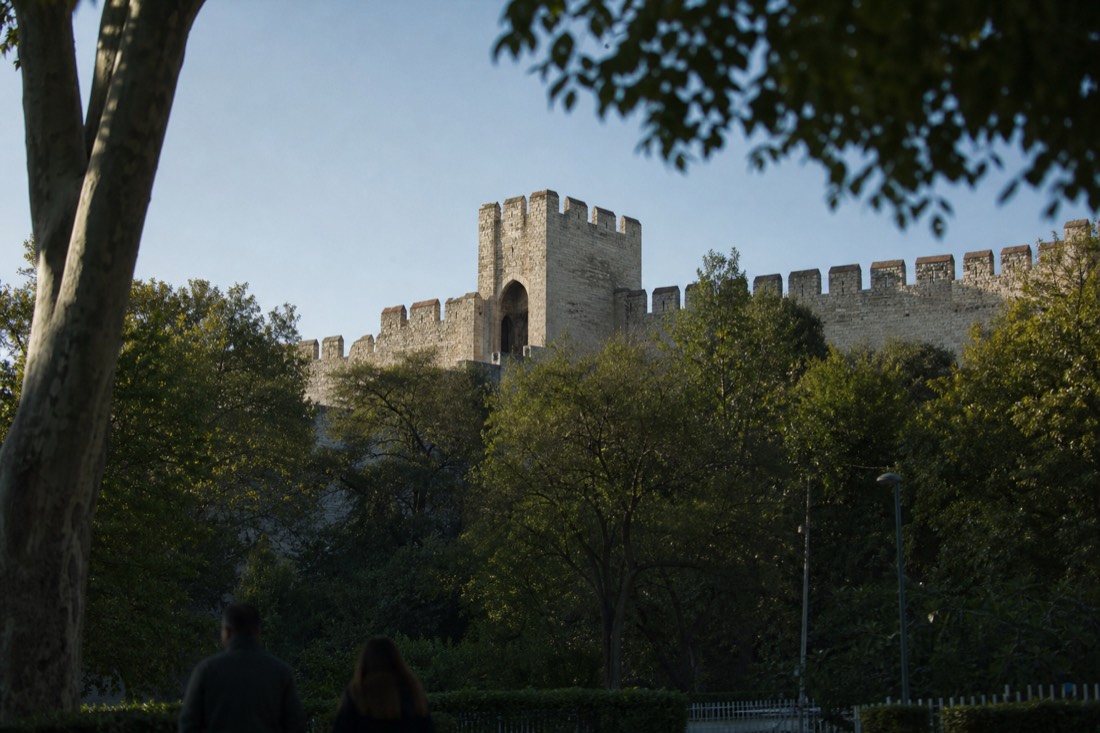
Within a few years he ordered a new palace on the point above the Golden Horn and the Bosphorus, on the site of the old Byzantine acropolis. Construction ran through the 1460s, and the court eventually settled here as the main imperial residence.
From that point until the middle of the nineteenth century, roughly two dozen sultans lived and ruled from these grounds. The palace grew the whole time. Each generation added rooms, kiosks, and courts, which is why the complex feels less like a single design and more like an accumulation of reigns layered on top of one another.
Which Ottoman sultans lived at Topkapi?
Roughly two dozen Ottoman sultans lived and ruled from Topkapi between the 1460s and the 1850s, and a handful make the rooms come alive: Mehmed the Conqueror who founded the palace, Selim I who brought the relics, and Suleiman the Magnificent who presided over its grandest era.
Mehmed the Conqueror is the founder, and the earliest layout answers to him. Selim I, who reigned in the early sixteenth century, brought the Sacred Relics to the palace after his conquests in the east, which is why the holiest objects in the complex sit in the sultan's own inner quarters.
Suleiman presided over the empire at its height, and his reign is bound up with the palace's grandest era and with Hürrem Sultan, the consort who reshaped life inside the Harem. Later sultans lived through the stretch historians call the Sultanate of Women, when the mothers and consorts of the ruling house held real political weight from inside these walls.
| Sultan | Reign | Attach him to |
|---|---|---|
| Mehmed II, the Conqueror | 1451 to 1481 | The founding layout and the outer gates |
| Selim I | 1512 to 1520 | The Sacred Relics in the Privy Chamber |
| Suleiman the Magnificent | 1520 to 1566 | The empire at its height, and Hürrem Sultan |
| Ahmed I | 1603 to 1617 | The tiled privy chamber that carries his name in the Harem |
| Abdülmecid I | 1839 to 1861 | Moved the court to Dolmabahçe in 1856 |
You do not need to memorize a list. Even a few of these figures give you people to attach to the rooms, and a licensed guide does the attaching for you as you walk, which is exactly what the Topkapi Palace & Harem Guided Tour is for; check live availability & prices on GetYourGuide.
Reading the palace as you walk it
Topkapi is organized as a sequence of four courtyards, each more private than the last, and that structure is the key to the whole place.
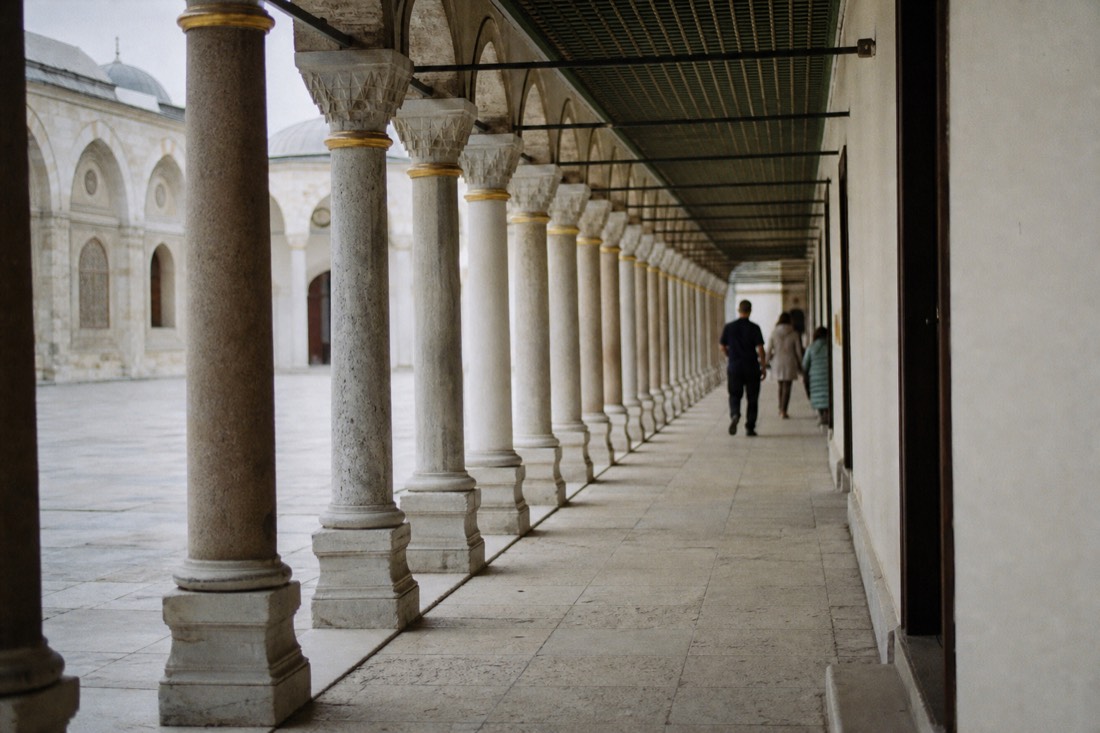
The First Court was nearly public. By the time you reach the inner courts, you are in space that once only the household and the highest officials could enter. Walking inward, you are moving up the ladder of access that the palace was designed around.
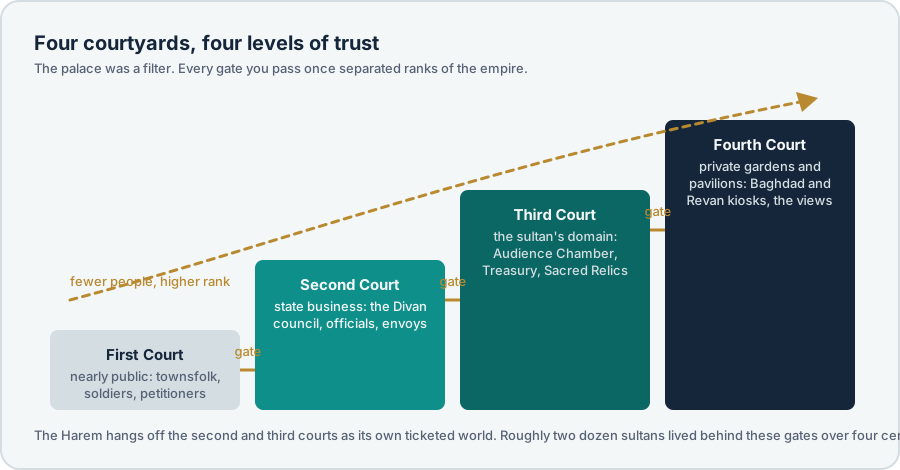
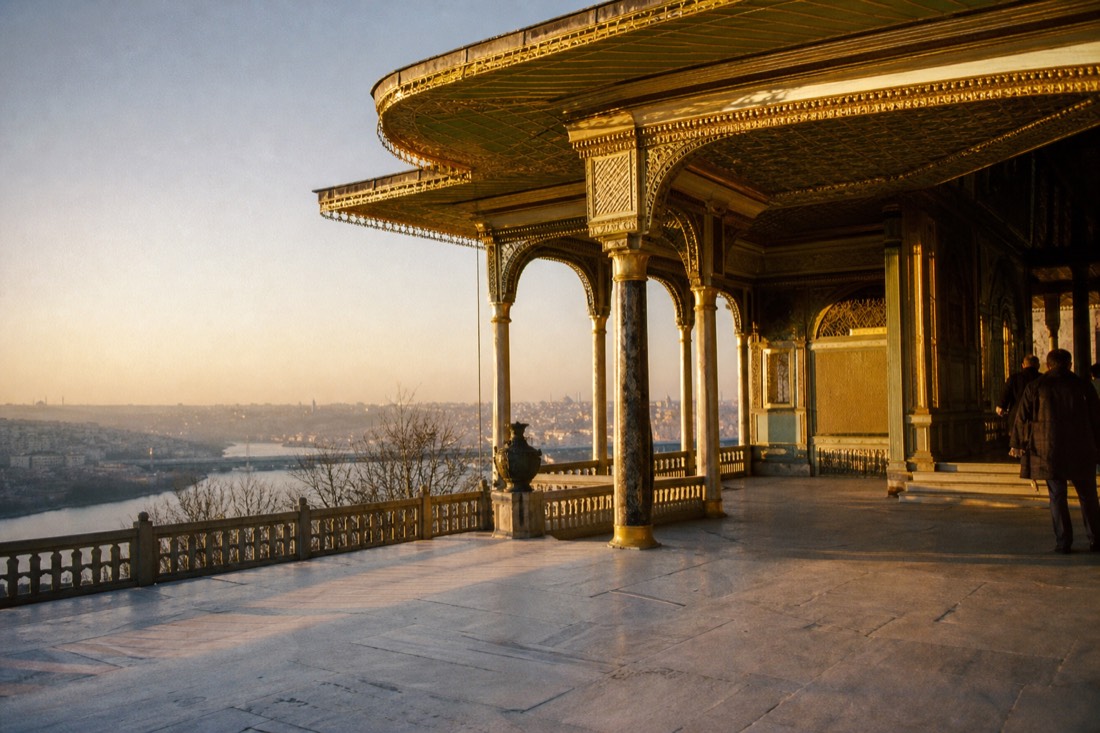
Watch for a few things in particular. The Imperial Council chamber, the Divan, is where the business of the empire was handled, overlooked by the Tower of Justice that still marks the skyline. The Gate of Felicity leads into the sultan's private domain and the Audience Chamber just beyond it. Deeper in sit the Treasury and the Sacred Relics. In the Fourth Court, the garden pavilions like the Baghdad Kiosk open onto some of the best views in Istanbul, out over the water the sultans looked at every day. The later sultans eventually traded these terraces for palaces built right on that shoreline, and a Bosphorus cruise glides past them, a separate booking from your palace ticket; you can see prices and dates here.
| What you see | The sultan behind it | Note |
|---|---|---|
| Baghdad Kiosk, Fourth Court | Murad IV | Built to mark the Baghdad campaign of 1638 |
| Revan Kiosk, Fourth Court | Murad IV | Marks the Yerevan campaign a few years earlier |
| Circumcision Room, Fourth Court | Ibrahim | Tile-covered pavilion added in the 1640s |
| Sacred Relics in the Privy Chamber | Selim I | Kept in the sultan's own quarters from 1517 |
How the palace stacks up against the great church across the square is its own question, and our Topkapi versus Hagia Sophia guide answers it honestly.
When you visit
Topkapi is closed on Tuesdays, so keep that day clear, and give the main palace two to three hours, closer to four if you are adding the Harem.
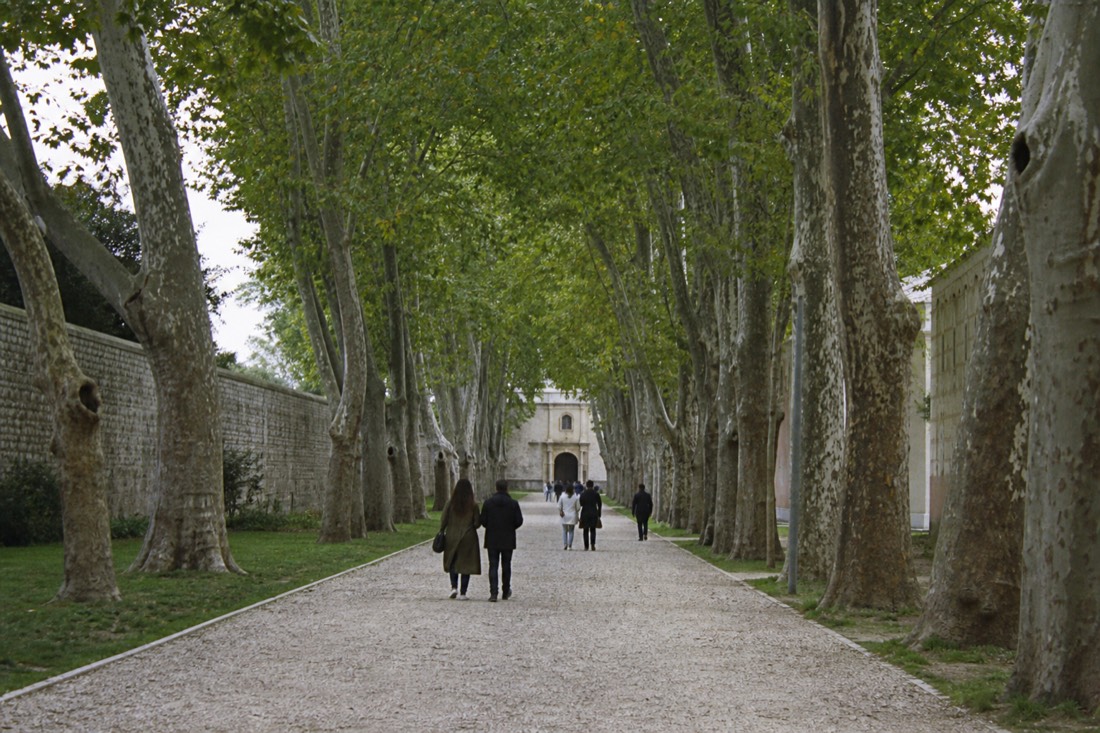
A little planning makes the difference between rushing and reading. The Harem is a large section in its own right, and much of the drama of these reigns actually played out there. Early on a weekday morning is the calmest window to walk the courtyards. If you are still deciding whether the palace deserves a slot in your Istanbul days at all, our honest take on whether Topkapi is worth it makes the case with the caveats left in.
| Plan item | Detail |
|---|---|
| Closed day | Tuesday |
| Time for the main palace | 2 to 3 hours |
| Time with the Harem | Closer to 4 hours |
| Getting there | T1 tram to Sultanahmet or Gülhane, then a short walk |
| Calmest window | Early weekday mornings, spring and autumn |
Book ahead so you skip the long ticket line at the Imperial Gate, and remember that the security screening there is separate and cannot be skipped by anyone. Hours shift seasonally, and the current schedule is on the official National Palaces page, with visiting details also listed on the official museum page. The Harem needs its own ticket, the guided option is the one that includes it, and our guided versus audio comparison lays the two side by side. Check the live price and open dates on the official listing, then come and walk the house that ran an empire.