The Topkapi Dagger: Emeralds, a Hidden Watch, and a Movie Heist
The Topkapi Dagger is the emerald-hilted showpiece of the Imperial Treasury, a gift that never reached its recipient and the object of a famous 1964 film. Here is the real history, the jewels, and how to see it today.
 By Mehmet Demir, Istanbul Topkapi Palace ticket specialist
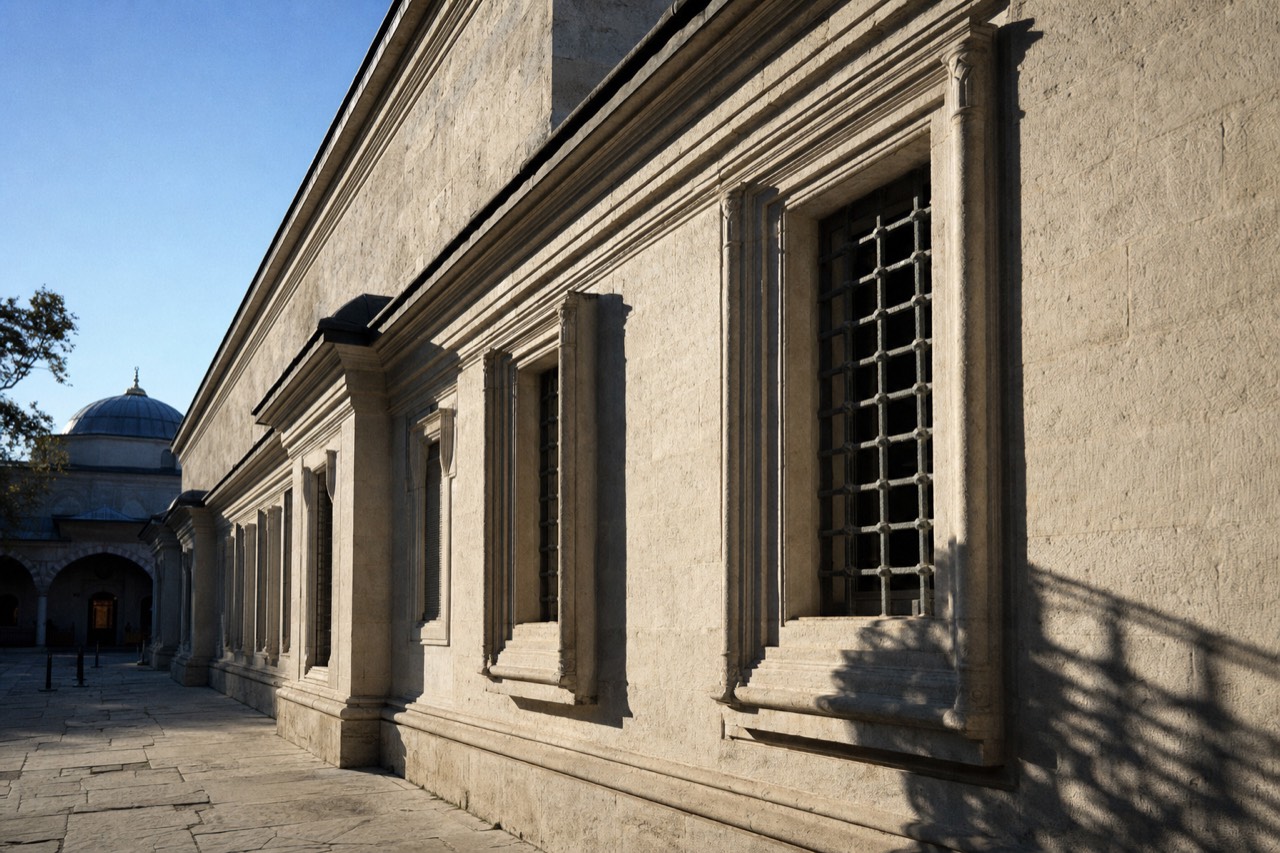
Ask most people to name one object inside Topkapi Palace and they land on the diamond. Ask a jeweller, or anyone who grew up on old heist films, and the answer is the dagger. It is a short ceremonial blade with three emeralds the size of small eggs down its gold hilt, and it has a stranger backstory than almost anything else in the treasury: a lavish gift that was already on the road when the man it was meant for was killed.
What is the Topkapi Dagger?
The Topkapi Dagger is an 18th-century ceremonial dagger, made around 1747 on the order of Sultan Mahmud I as a diplomatic gift for Nader Shah of Persia. Its gold hilt carries three large emeralds, and it has stayed in the Imperial Treasury rather than ever reaching its intended owner.
The short version of the story is that the gift outran its purpose. Mahmud I sent an embassy loaded with treasures toward Nader Shah, and before the caravan arrived, Nader Shah was assassinated in 1747. The Ottoman party turned back, and the dagger stayed home. That is why an object designed to leave Istanbul became one of the permanent stars of the collection here. The rooms it shares with the Spoonmaker's Diamond hold the densest concentration of wealth in the whole palace.
| The dagger at a glance | Detail |
|---|---|
| Date | Around 1747 |
| Commissioned by | Sultan Mahmud I |
| Intended for | Nader Shah of Persia |
| Reason it stayed | Nader Shah was killed before it arrived |
| Home now | The Imperial Treasury, Third Court |
The simplest way to see it in its proper setting is a guided walk that ends with free time in the treasury. My default recommendation is the Topkapi Palace & Harem Guided Tour, which pairs a licensed guide with skip-the-line entry, and you can check live availability & prices on GetYourGuide. If you would rather compare that against a cheaper self-guided ticket first, our guided versus audio-guide breakdown lays out what each one actually gets you.
The 1964 film that made it a household name
The dagger is the prize at the centre of "Topkapı", Jules Dassin's 1964 caper film, in which a crew plots to lift it from its case in the palace museum. The movie turned a specialist treasure into an international name and fixed the dagger in the public imagination as the ultimate thing to steal.
Dassin had already made the classic French heist film before this, and "Topkapı" is his lighter, sun-drenched Istanbul answer to it. The famous set piece is the museum break-in, lowering a man on a rope so his feet never touch a pressure-sensitive floor, an image that later films borrowed for decades. Whether or not you have seen it, the film is the reason a lot of visitors already know the word "dagger" before they reach the door.
The real object is calmer than its screen reputation and, honestly, more interesting. It was never a weapon meant for a fight. It was a statement of Ottoman wealth and workshop skill, built to impress a rival empire.
| The film versus the object | On screen | In the treasury |
|---|---|---|
| Title | "Topkapı" (1964), directed by Jules Dassin | The actual dagger, circa 1747 |
| Role | The target of a jewel heist | A diplomatic gift that stayed put |
| Drama | Rope descent past alarms | A quiet case behind glass |
| Effect | Made the dagger world-famous | Draws a steady crowd every day |
The emeralds, the watch, and the numbers
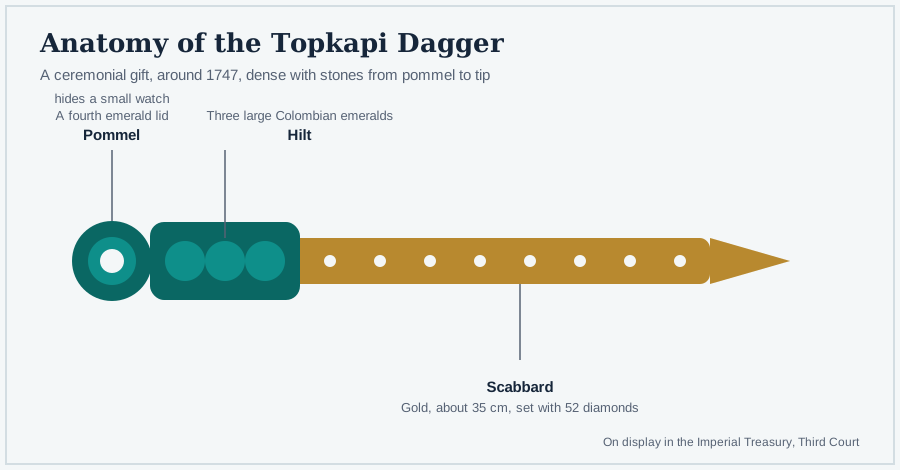
Three large Colombian emeralds run down the gold hilt, and a fourth emerald sits at the top of the pommel as a hinged lid that opens to reveal a small English-made watch set inside. The scabbard is roughly 35 centimetres long, worked in gold, and studded with dozens of diamonds.
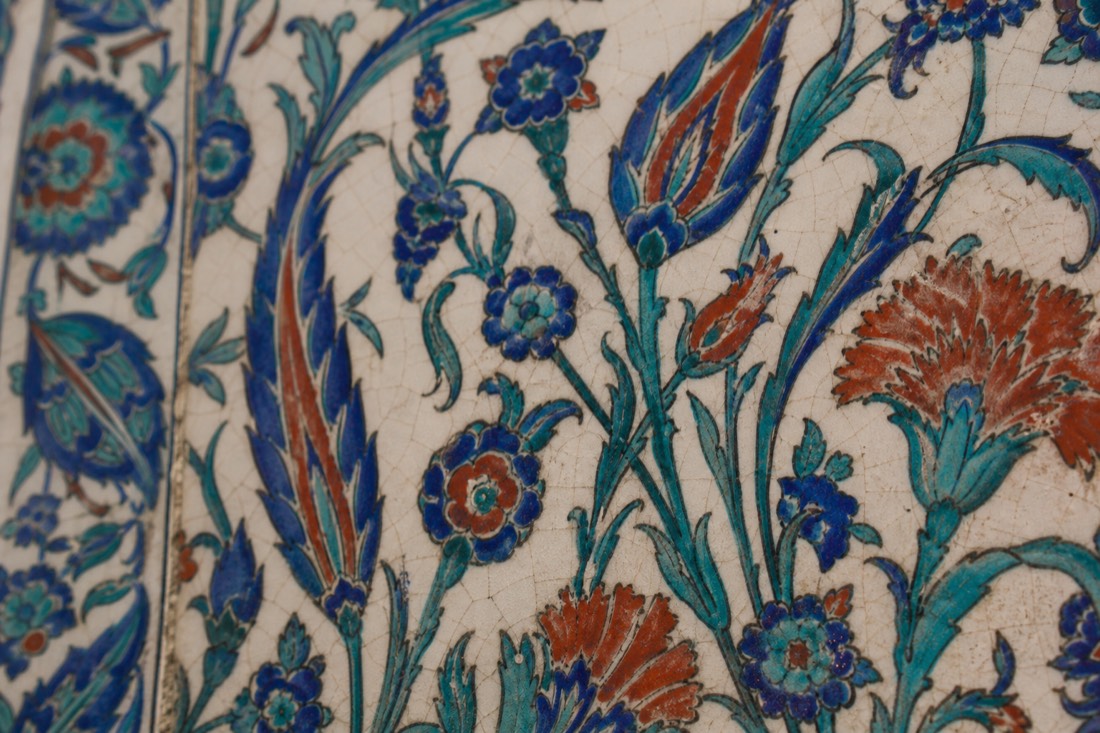
That hidden watch is the detail people miss. The pommel emerald lifts like a lid, and underneath is a European timepiece, a fashionable novelty in the 1740s and a small joke about the reach of the gift. According to the English-language Wikipedia entry on the dagger, the scabbard alone carries 52 diamonds along its length, so the object is dense with stones from tip to top. The emeralds themselves are the kind of raw, deep-green material that looks almost painted under gallery light.
| Feature | What to look for |
|---|---|
| Hilt | Three large Colombian emeralds in a row |
| Pommel | A fourth emerald lid hiding a small watch |
| Scabbard | Gold, about 35 cm, set with 52 diamonds |
| Overall effect | Colour first, then the detail of the setting |
Craftsmanship on this level did not appear in isolation. The same court that commissioned the dagger filled its rooms with the finest Iznik tilework and the ceremony you can read about in our history of the sultans who lived at Topkapi. The dagger is one object in a much larger machine of Ottoman display.
How and where you see it today
The dagger lives in the Imperial Treasury in Topkapi's Third Court, and since the treasury reopened it has been part of the standard palace ticket route. Photography is banned inside the treasury rooms, so come to look rather than shoot.

The official museum listing for Topkapi confirms the dagger sits in the treasury in the inner courts, and the no-camera rule there is enforced firmly. The rooms are small, the light is deliberately low, and the guards move people along, so plan to spend your minute in front of the case actually looking. A close read of the setting rewards you more than a phone photo you were never going to be allowed to take.
A few planning points make the visit smoother:
| Plan item | Detail |
|---|---|
| Where it sits | Imperial Treasury, Third Court |
| Ticket | Covered by the standard palace ticket route |
| Photography | Banned inside the treasury rooms, no flash |
| Closed day | Tuesday |
| Time to allow | 2 to 3 hours for the palace, more with the Harem |
The palace is closed on Tuesdays, and current hours shift with the season, so check the official National Palaces page before you fix a date. Our guide to the treasury's stand-out pieces points out what else in those rooms deserves a slow look, and if you want the full route through the palace, our what-to-see rundown sets the order. The same locked-down, no-photo discipline applies in the Sacred Relics chamber next door, so pair the two while you are in the Third Court.
If Ottoman opulence is your theme for the trip, the later imperial home at Dolmabahçe is the natural companion, all European gilt and chandeliers rather than tiled courtyards, booked as a separate ticket: you can check dates for Dolmabahçe here. See the dagger, then go see where the last sultans spent their fortune.