Iznik Tiles of Topkapi Palace: Where to Find the Best Panels
Iznik tiles turned Topkapi Palace into a wall-to-wall gallery of Ottoman ceramic art. Here is what they are, how the famous coral red was made, and the rooms where the finest panels survive.
 By Mehmet Demir, Istanbul Topkapi Palace ticket specialist
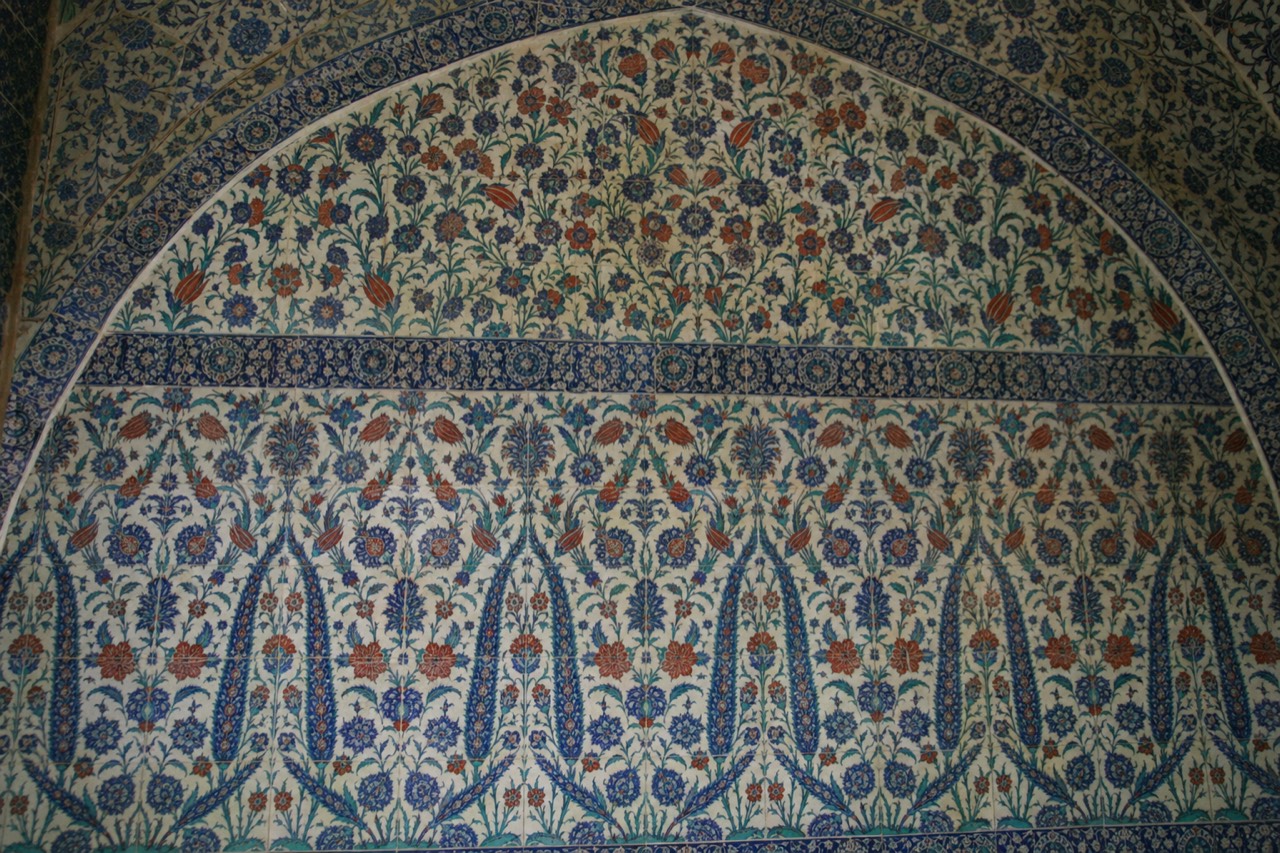
The first thing that gets me every time I walk the Harem is not the scale or the gold, it is the tile. Whole rooms are lined shoulder-high and higher in blue, turquoise and a red that seems to sit slightly proud of the surface. That red is the tell. It means you are looking at Iznik ceramics from the moment Ottoman tilework hit its peak, and Topkapi holds some of the best surviving examples anywhere.
What are Iznik tiles?
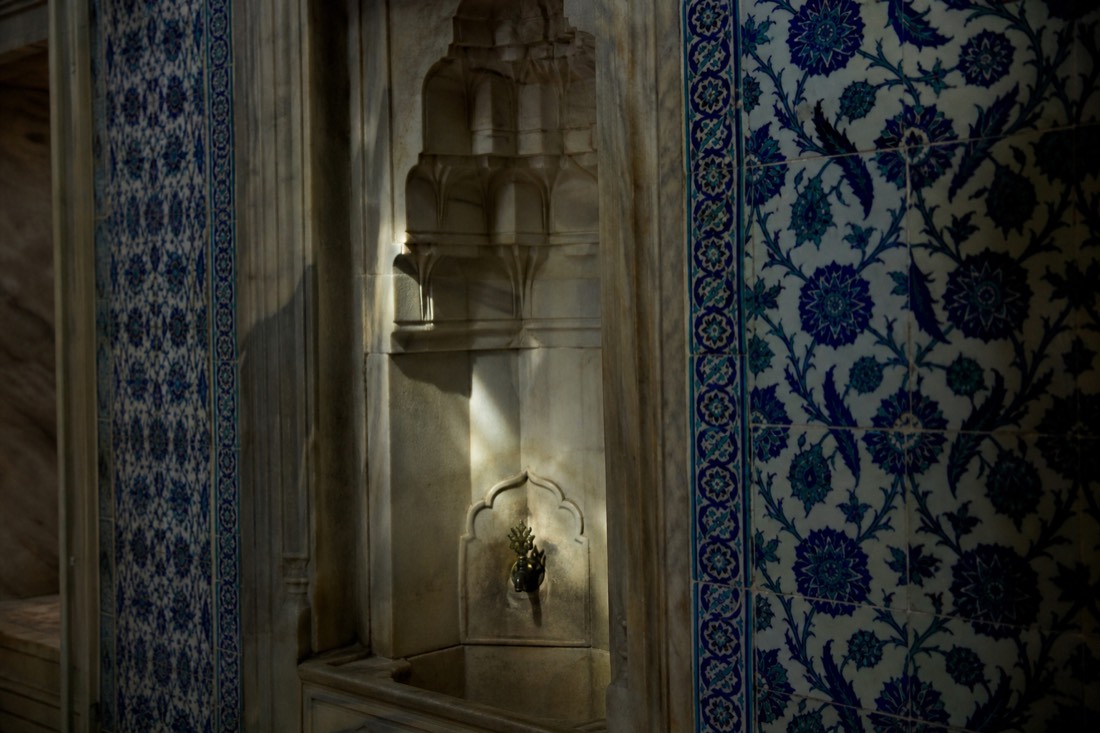
Iznik tiles are underglaze-painted ceramics made in the town of Iznik, south of Istanbul, from the late 15th century onward. They use a hard, white, quartz-rich body painted in cobalt blue, turquoise, green and a distinctive raised coral red, then sealed under a bright, glassy glaze. Their peak runs through the 16th century.
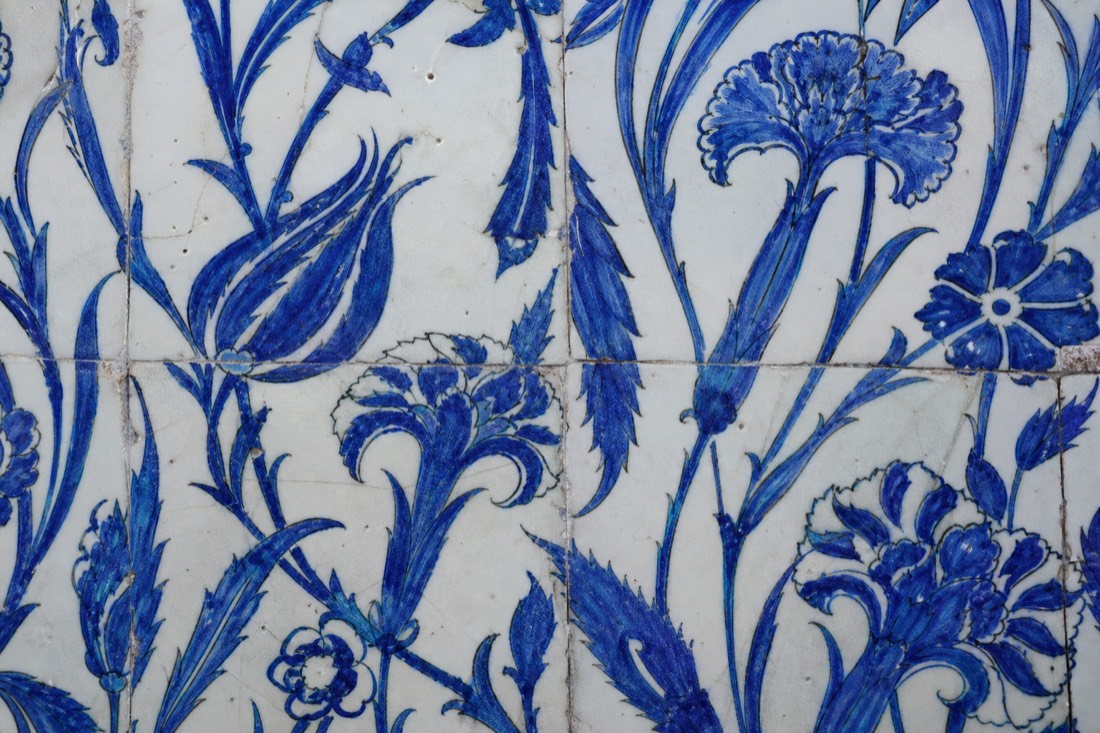
What separates Iznik from ordinary glazed pottery is the white ground. Potters built the body from a quartz-heavy paste rather than plain clay, which gave painters a clean, bright surface to work on, closer to porcelain than to earthenware. On top of that went the drawing, then a clear glaze, so the colours read as if they are floating just beneath glass. The Ottoman court became the main customer, and the palace filled with the results.
| Iznik colour | Character |
|---|---|
| Cobalt blue | The oldest colour, deep and dominant in early work |
| Turquoise | Added early, a cooler blue-green |
| Sage and olive green | Foliage, stems and leaf detail |
| Coral red | The famous raised "Armenian bole" red of the peak years |
| White ground | A quartz body that makes every colour brighter |
The single best way to stand in front of the densest tilework is a guided visit that includes the Harem, since that section is a separate ticket most people skip. I point visitors to the Topkapi Palace & Harem Guided Tour for exactly this reason, and you can check live availability & prices on GetYourGuide. If you are weighing that against a self-guided ticket, our guided versus audio-guide comparison is worth two minutes first.
Where are the best tile panels in Topkapi?
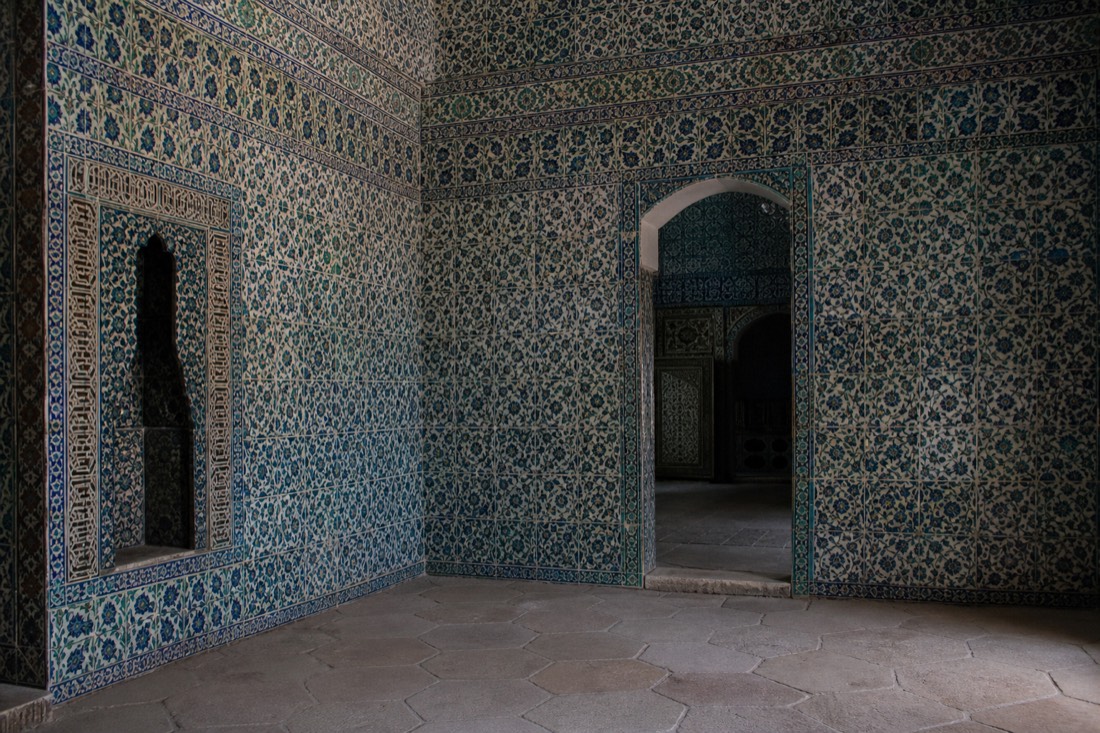
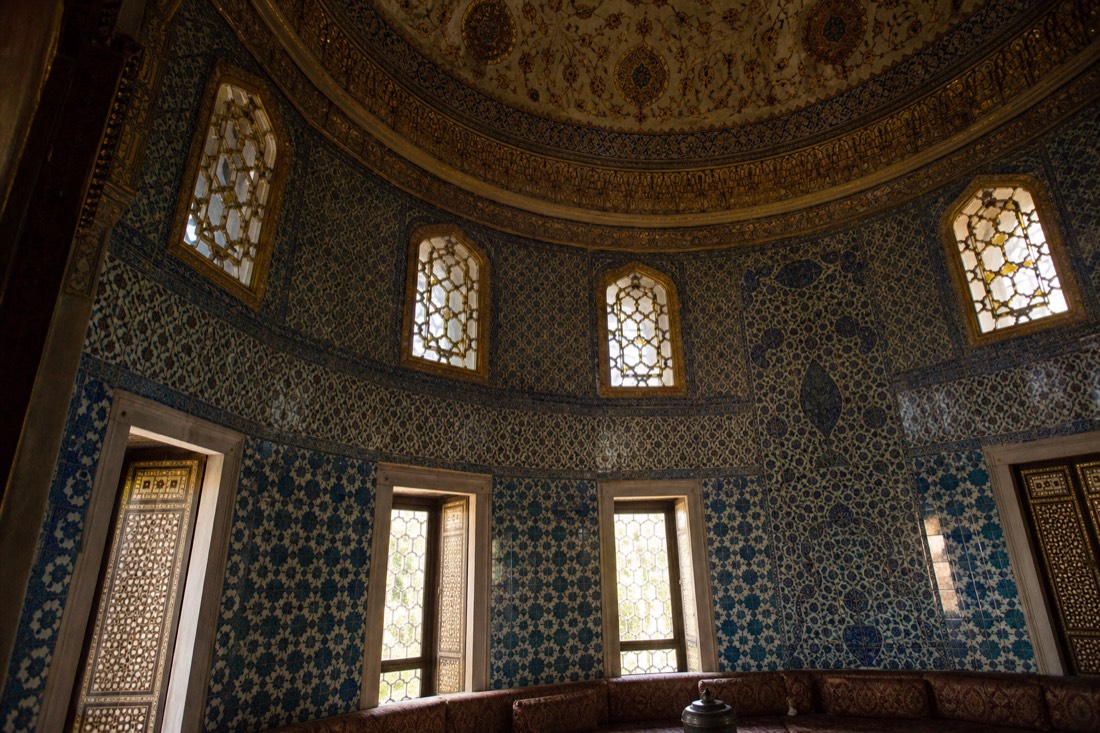
The finest panels are in the Harem, above all the Valide Sultan apartments and the Imperial Hall, and in the pavilions of the Fourth Court, especially the Baghdad Kiosk. These rooms carry classical-period Iznik at its rarest and most complete.
The Harem is where I always send people first for tiles. Its walls hold dense floor-to-ceiling panels from the classical Ottoman period, and the rooms of the Valide Sultan, the sultan's mother, are among the richest. You can read how that household actually worked in our guide to the Harem and the fuller story of life behind those walls, but for tiles alone it is the highlight of the palace. The Baghdad Kiosk, out on the Fourth Court terrace, is the other must: its exterior is clad in brilliant blue-and-white Iznik, and inside sit some of the most admired tile panels in the building.
| Where to look | What you see |
|---|---|
| Harem, Valide Sultan apartments | Dense classical-period panels, floor to ceiling |
| Harem, Imperial Hall | Large-scale tiled walls in the grandest room |
| Baghdad Kiosk (Fourth Court) | Blue-and-white exterior, peak interior panels |
| Circumcision Room facade | Some of the oldest and largest single tiles |
What makes the Iznik palette special?
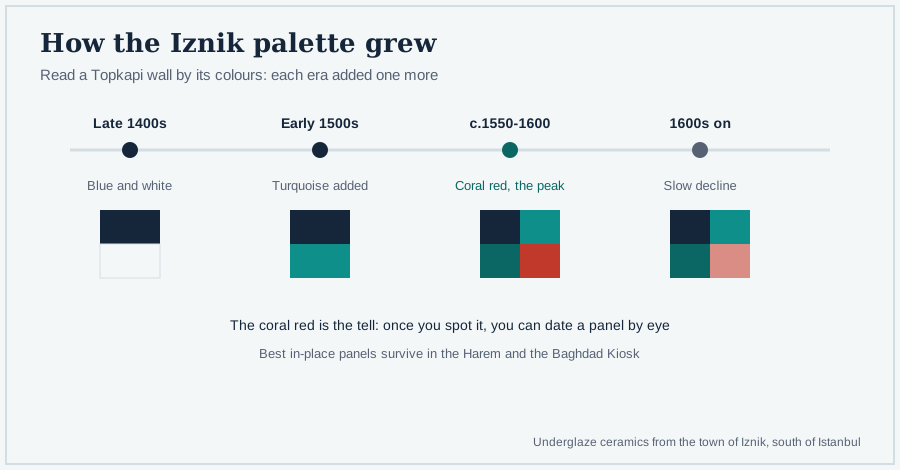
The signature is the coral red, a slightly raised iron-rich slip often called Armenian bole, which Iznik potters mastered in the mid-16th century. Combined with cobalt, turquoise and green under a clear glaze, and drawn with tulips, carnations, hyacinths and cypress, it gives Iznik its instantly recognisable look.
That red is genuinely hard to make. It has to be applied thickly enough to keep its tomato colour through firing, which is why it stands slightly proud of the tile and catches the light. Earlier Iznik, from the late 15th and early 16th centuries, is mostly blue and white; turquoise joins soon after, then sage green, and finally the coral red arrives and defines the classic four-colour style. The motifs come from the court design studio: stylised tulips, carnations, plum blossom, and the long serrated saz leaf.
| Era | What changed |
|---|---|
| Late 15th century | Blue-and-white, Chinese-influenced |
| Early 16th century | Turquoise added to the palette |
| Around 1550 to 1600 | Coral red mastered, the classical peak |
| 17th century onward | Quality and the red gradually decline |
The evolution is not just academic. Once you can spot the coral red, you can date a wall by eye, and the palace becomes a walk-through history of the craft. The official museum page for Topkapi sits alongside the newer displays covered by Turkish state broadcaster TRT's report on the tile gallery, which opened at the end of 2025.
How to see the tiles on a visit
Most tile highlights are reachable on the standard route, but the richest Harem panels sit behind a separate Harem ticket. Photography is allowed in the open courtyards and generally fine for architecture, though it is banned inside certain exhibition halls, so check as you go.
Timing matters for tiles more than for most things, because you are chasing light. The Harem rooms and the Baghdad Kiosk look best in soft, even daylight, and worst when the sun is blowing out one window and leaving the rest in shadow. Early on a weekday, before the tour groups pack the narrow Harem corridors, is the calm window. Our photography guide covers where cameras are and are not allowed, which matters here because the tile you most want to shoot may sit in a no-camera hall.
| Practical point | What to know |
|---|---|
| Harem tiles | Behind a separate Harem ticket, not the base entry |
| Courtyard and pavilion tiles | On the standard route |
| Photography | Allowed outdoors, banned in some exhibition halls, no flash |
| Best light | Soft daylight, early on a weekday |
The sultans who built these rooms treated tile as a display of imperial reach, and once you understand that, the walls stop being background. To round out a Sultanahmet day of Ottoman detail, a small-group walk through the old city ties the monuments together and is booked separately from the palace: you can check availability for an Old City tour here. Come for the diamond and the dagger if you must, but leave time for the walls. They are the real masterpiece.