The Harem of Topkapi Palace: What It Actually Was
The Harem was not what most visitors imagine. It was the private home and power center of the Ottoman dynasty, and here is what it really was, why it matters, and why one Topkapi ticket includes it while another does not.
 By Mehmet Demir, Istanbul Topkapi Palace ticket specialist
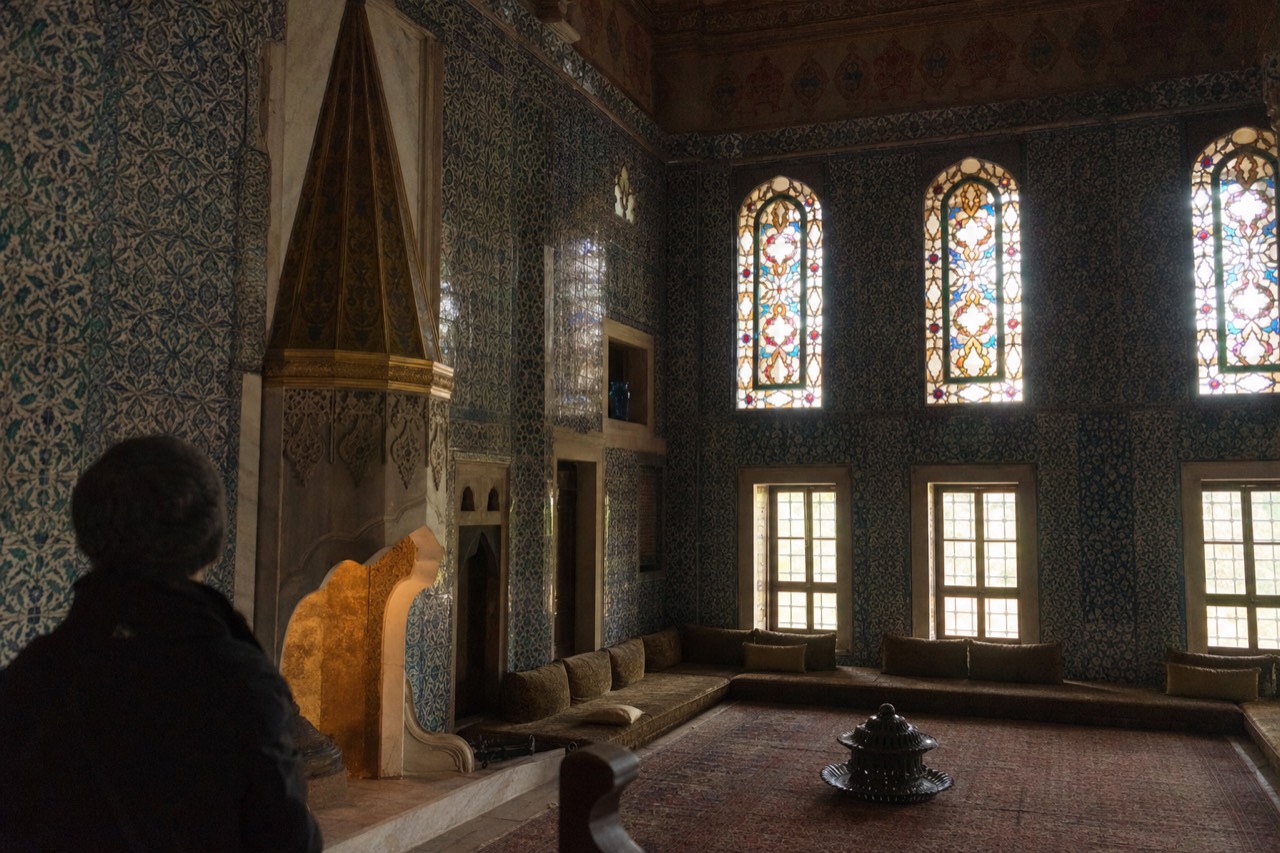
The word carries a lot of baggage, and almost all of it is wrong. When visitors ask me about the Harem at Topkapi, they usually picture something from a painting: a room full of idle women behind a curtain. That image tells you more about nineteenth-century European fantasy than about the place itself. The Harem was the private household of the Ottoman sultan, and it was one of the most tightly organized, politically charged spaces in the whole empire.
What the word really means
Harem comes from the Arabic root for what is forbidden, protected, set apart. In an Ottoman context it simply meant the private quarters of a household, the part outsiders could not enter.
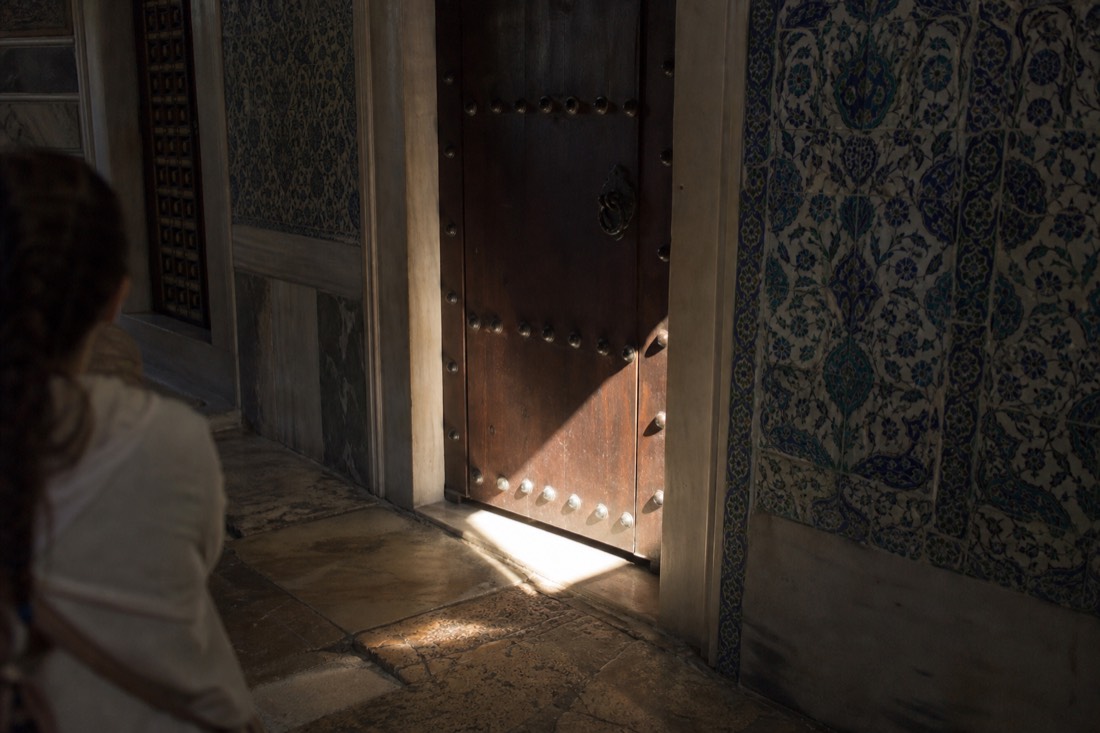
Every large Ottoman home had one. At Topkapi it happened to be the private residence of the ruling family, so this particular harem was the private wing of the state itself. When the sultans later left for the waterside palace at Dolmabahçe in the nineteenth century, that new residence kept a Harem of its own, and its lavish version makes a separate visit and a separate booking from anything at Topkapi; you can check the tour and dates here.
Inside lived the sultan, his mother, his consorts, his children, and a large staff. It was a home and an institution at the same time. People were born there, raised there, educated there, and buried from there. Understanding that single fact changes how the rooms read when you walk through them.
Who lived there, and who held the power
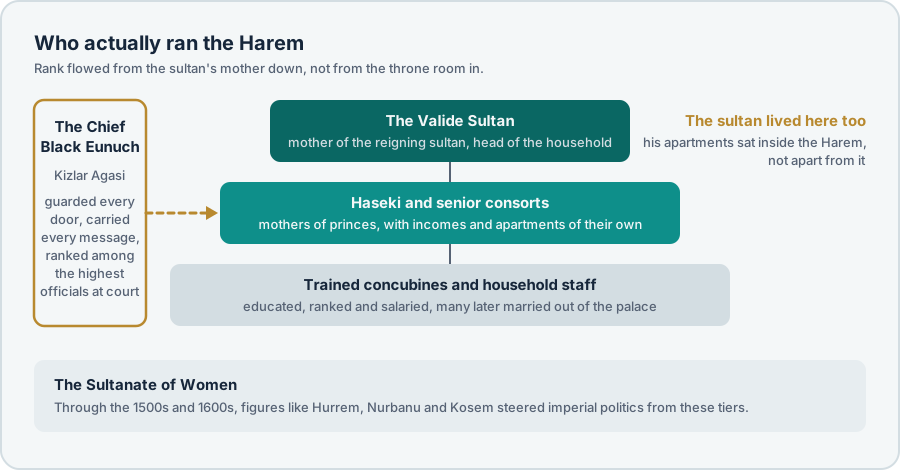
The most powerful person in the Harem was usually not a consort. It was the Valide Sultan, the mother of the reigning sultan.
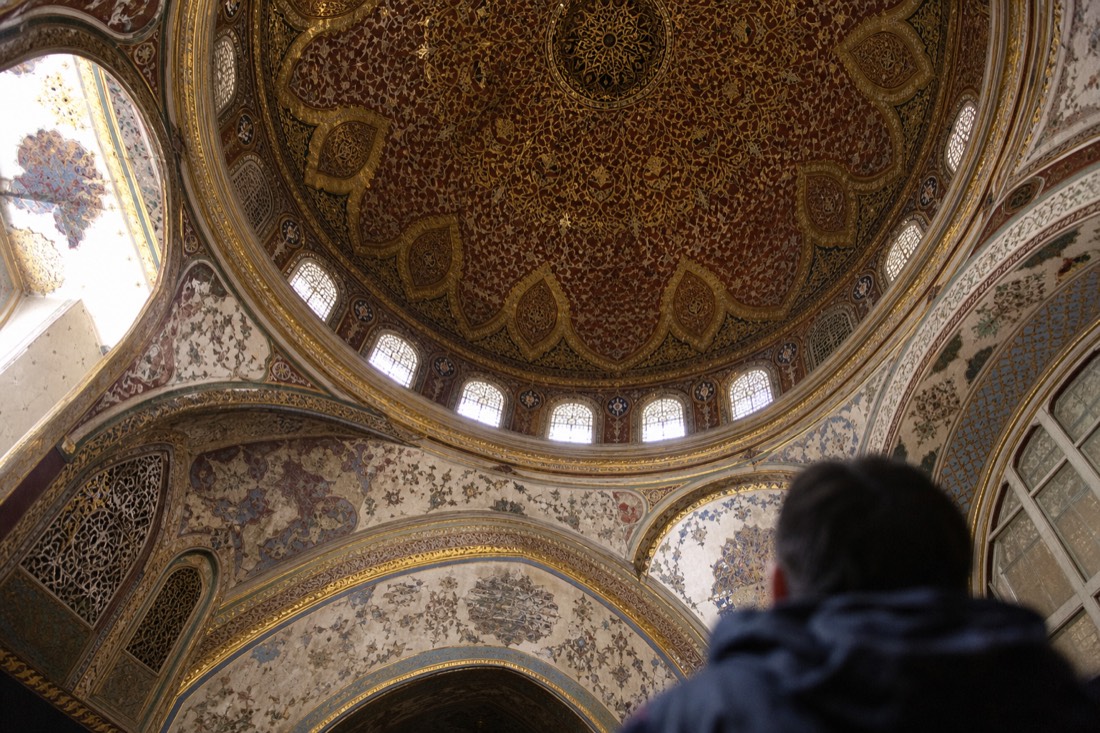
She managed the household, controlled its finances, and often shaped politics far beyond the palace walls. During a long stretch of the sixteenth and seventeenth centuries, a period Turkish historians call the Sultanate of Women, several of these women effectively steered the empire through their sons, the sultans who ruled from these courtyards.
Hürrem Sultan, known in the West as Roxelana, is the name most people recognize. She was the consort and later the legal wife of Suleiman, and she broke with generations of custom by living inside the palace itself rather than in a separate household. Later figures like Nurbanu and Kösem wielded influence that rivaled that of grand viziers. These were not decorative lives. They were political ones.
| Name | Role | Era | Why she matters |
|---|---|---|---|
| Hürrem Sultan (Roxelana) | Consort, then legal wife of Suleiman | Mid 1500s | Broke custom by living inside the palace and holding open influence |
| Nurbanu Sultan | Valide Sultan to Murad III | Late 1500s | Ran court politics and corresponded with European rulers |
| Kösem Sultan | Valide Sultan across two reigns | Early to mid 1600s | Effectively governed during the minorities of her sons |
The Harem was guarded and administered by a corps of eunuchs, and the Chief Black Eunuch, the Kızlar Ağası, ranked among the highest officials at court. He controlled access, carried messages, and stood close to real power precisely because he stood close to the family.
Walking through it
The Harem is not one room. It is a dense cluster of courtyards, apartments, corridors, and chambers that grew and changed across centuries as sultans added to it.
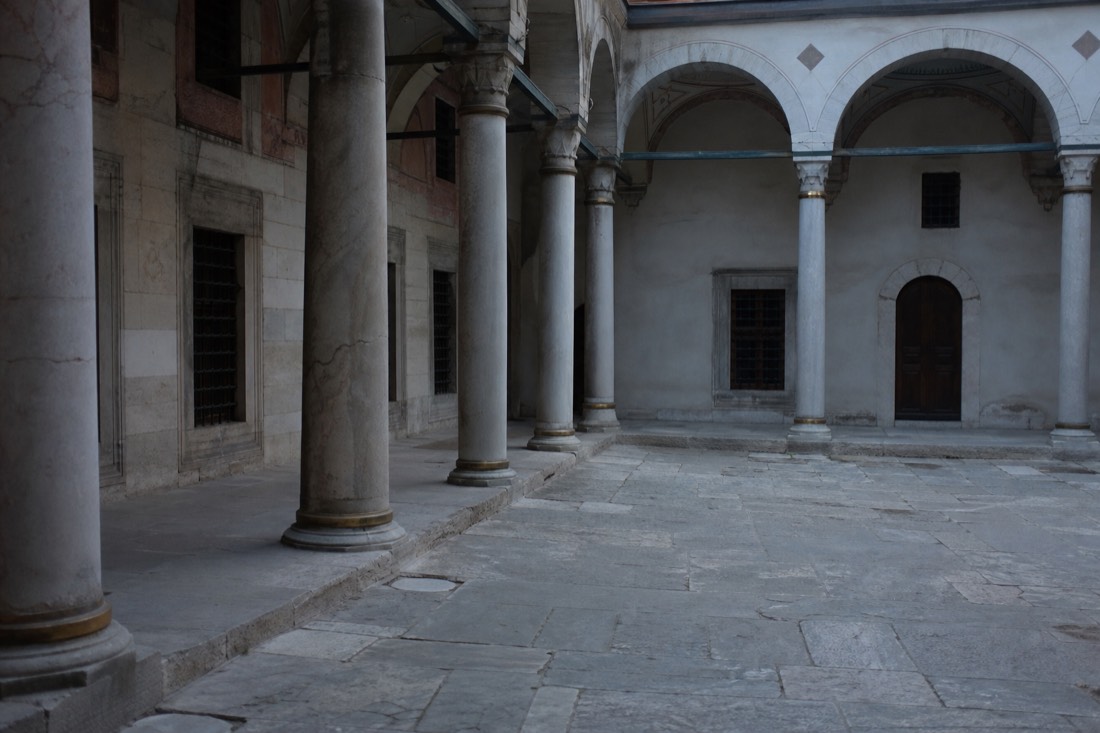
You move from the quarters of the eunuchs, past the courtyard of the concubines, toward the grander apartments of the Valide Sultan and the sultan himself. The Imperial Hall, where the sultan received family and close company, is the showpiece, but the smaller rooms tell you as much.
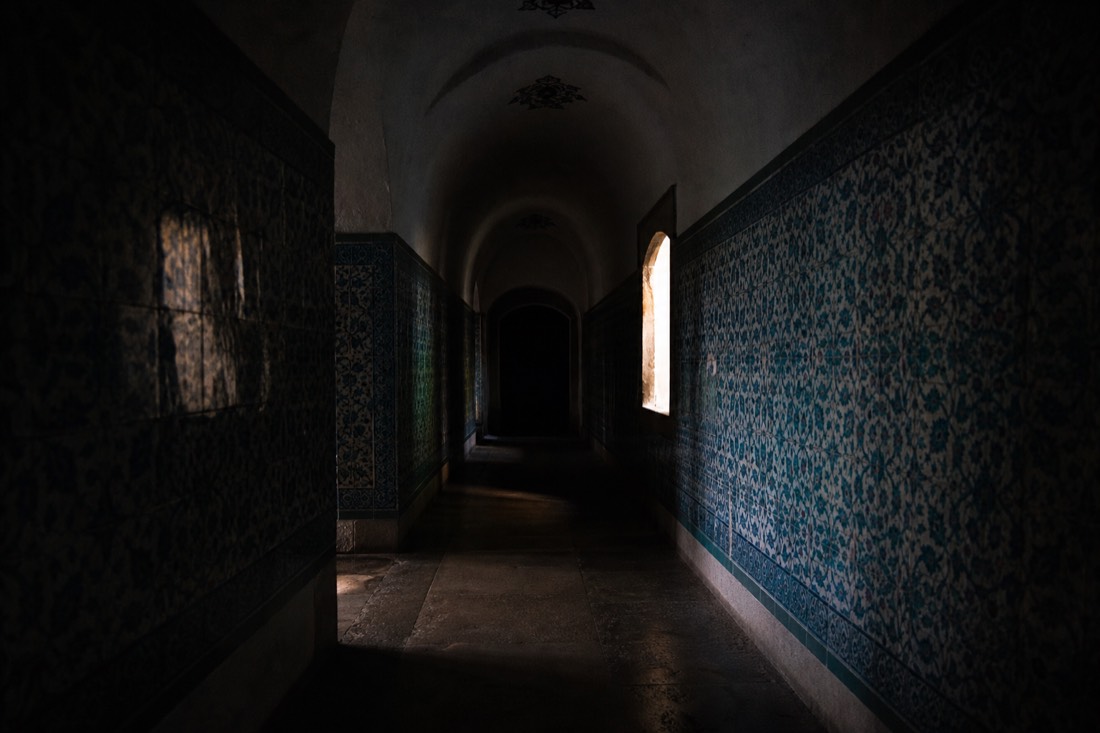
Look at the tilework. The İznik panels, the blue and turquoise and coral-red patterns, are some of the finest surviving anywhere, and they were not chosen at random. The decoration signaled status, wealth, and taste. In the private chambers you can still read the ambitions of the people who lived behind these walls.
If you want those rooms decoded as you go, whose apartment you are standing in, which reign added it, why the tiles change from one chamber to the next, that is what the Topkapi Palace & Harem Guided Tour is built for, and you can check live availability & prices on GetYourGuide.
Why one ticket includes it and another does not
At Topkapi, the Harem is a separate ticketed section. It is not covered by the standard palace admission, and it is not covered by the Turkish museum pass.
You either buy access to it or you do not, and plenty of people reach the Harem entrance only to find they cannot go in. The official museum page lists the Harem as its own section for exactly this reason.
That is the difference between the two tickets we cover. The self-guided audio ticket gets you skip-the-line entry to the main palace, but the Harem is not part of it. The guided option, by contrast, includes the Harem along with a licensed guide who can tell you which room belonged to whom and why it matters. The full side-by-side lives in our guided versus audio ticket comparison, and the ticket rule itself, MüzeKart fine print included, is spelled out in our Harem explained guide.
| Ticket | Main palace | Harem | Guiding |
|---|---|---|---|
| Guided tour with Harem | Included, skip the ticket line | Included | Licensed guide with headsets |
| Skip-the-line audio ticket | Included, skip the ticket line | Not included | Audio app, self-guided |
| Standard gate admission | Included | Separate ticket required | None |
| MüzeKart | Covered | Not valid | None |
If seeing the Harem is on your list, and after everything above I think it should be, make sure the ticket in your hand is the one that actually gets you inside.
Planning your visit
Topkapi is closed on Tuesdays, and the Harem adds real time: the two to three hours the main palace takes becomes closer to four with the Harem included.
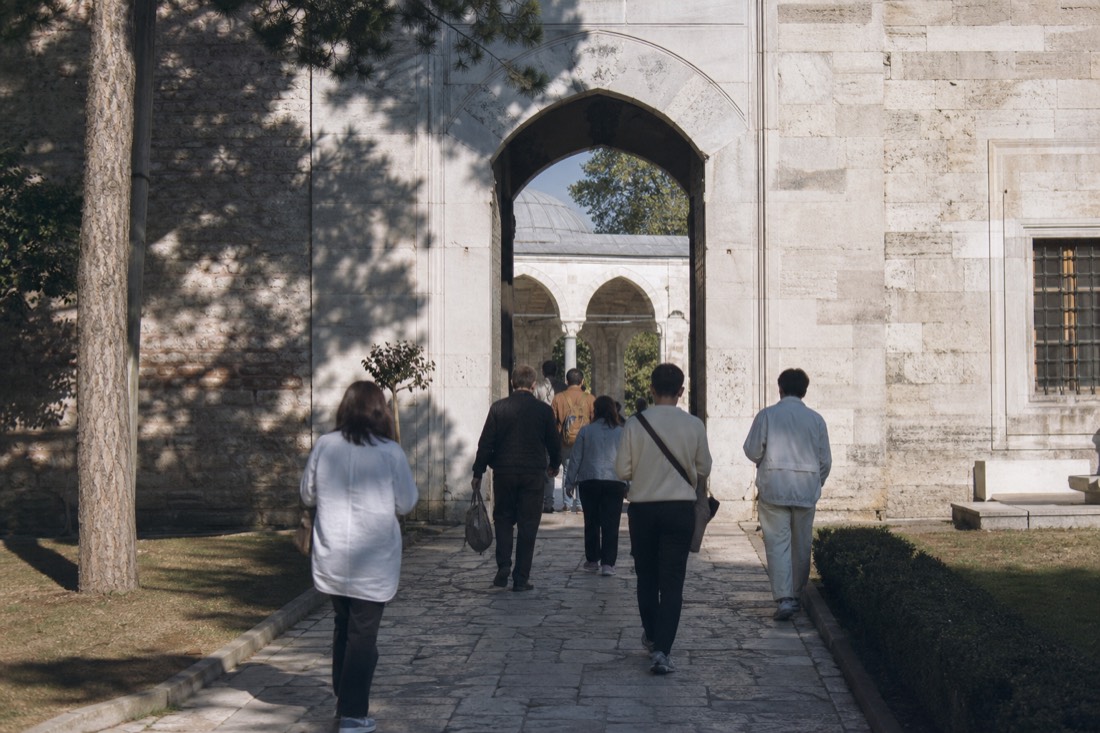
Early on a weekday morning is the calmest time to walk these rooms, before the courtyards fill. Hours shift with the season, so check the official National Palaces page before you set out, and our opening hours and closed days guide keeps the weekly pattern straight.
| Question | Answer |
|---|---|
| Closed day | Tuesday, every week |
| Time for the main palace | 2 to 3 hours |
| Time with the Harem | Closer to 4 hours |
| Calmest window | Early weekday mornings, spring and autumn |
| Security screening | Airport style at the Imperial Gate, nobody skips it |
Whichever option you choose, book ahead so you skip the long ticket queue at the Imperial Gate. Just remember that the security screening there is separate and cannot be skipped by anyone. While you are inside, the treasury and the Spoonmaker's Diamond sit only a courtyard away from the Harem exit, so leave time for both. The live price and open dates are on the official listing, and it pays to look before you set out.